Components
- 1 cup (tea) of handcrafted ground fuba (or 1 cup [tea] of instant cornmeal)
- 1½ cups of water
- Half a teaspoon of salt
- 1½ teaspoons of oil
- One-quarter teaspoon of baking soda
- 1/4 cup of sugary cabbage
- 1 cup (tea) of finely shredded regular Minas cheese (approximately 120 g)
- 3 cups of oil for frying purposes
Ready state
- Put the water, salt, and oil in a medium-sized pan with high, light edges over medium heat — the pan might appear large for the amount of water, but the bicarbonate will foam when added to the hot water; plus, having more space makes it easier to stir the pastel mixture.
- When the water reaches boiling, reduce the heat and add the baking soda. Gradually incorporate the fubah, stirring with a bamboo spatula to avoid sticking. Continue stirring the angu for approximately 5 minutes, until it clumps together and detaches from the pan, leaving a thin, dry layer at the bottom.
- Place the dough onto a baking sheet (or directly onto the work surface) and use a spatula to spread it for quicker resting. Allow it to rest for approximately 10 minutes before handling.
- Incorporate the cabbage by mixing it with the palms of your hands, pressing and folding the dough onto itself until the cabbage is fully combined. The mixture will cool and become smooth, resembling a modeling dough texture—avoid sticking your fingers into the dough, as its moisture can cause it to stick and make mixing more difficult.
- Wash your hands to avoid the dough sticking while shaping. Shape the dough into a cylinder, divide it into 8 pieces, and roll them into polka dots — it’s crucial that each piece has more dough than a single pastel to allow for opening, filling, and sealing without the risk of tearing or the cheese spilling out; the leftover dough pieces will be combined and used to make additional pastels.
- To simplify rolling out the dough and shaping the pastels, cut a food-grade plastic bag in half and lay it flat on the countertop. Put a dough ball in the center of the plastic, then fold the plastic over it. Roll out the dough using a rolling pin on a disc until it reaches approximately 2 mm thickness (around 12 cm in diameter).
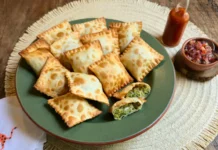
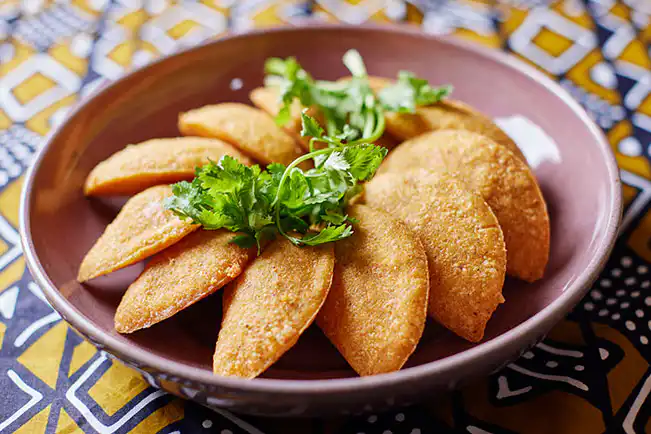
- Put 2 tablespoons of grated cheese in the middle of the dough circle. With the plastic wrap still on, fold the dough in half and carefully press the edges to remove the air and seal the pastel. Keeping the plastic on the dough, use a glass or a cutter approximately 10 cm wide to cut out the pastel.
- Place the shaped pastel onto a baking tray and continue the same steps with the remaining dough, combining the scraps to form additional pastels.
- Pour the oil into a medium-sized pan with high sides and heat it over low to medium flame. In the meantime, create a stud using a paper towel.
- Using the skimmer, immerse 2 to 3 pastels at once and fry them for approximately 3 minutes, until they become dry and golden. Turn the pastels with the skimmer to ensure even frying. Place the fried pastels on the lined rack and repeat with the remaining ones. Serve right away.
Punto de congelación
You can make the pastels ahead of time and freeze them. Arrange the shaped pastels side by side on a baking tray and freeze for at least 4 hours. Once frozen, move the pastels to a suitable food storage bag and store in the freezer for up to one month.
When frying, place them directly from the freezer into the hot oil. However, be careful to fry them a bit longer to make sure the cheese inside melts.
Please provide the text you would like me to paraphrase.
You won’t find ground fuba in stone or instant polenta, but do you have Italian semolina for polenta in your pantry? Use 500 ml of water and follow the recipe.