

To the ruler of Egypt
Components
- 1 cup (tea) of sifted yellow cornmeal
- Half a sweet pepper
- 2 tablespoons of butter
- 1/4 cup of chestnuts (tea)
- salt according to your preference
Ready state
- Coarsely chop the chestnuts from the pair. Wash, dry, and slice the sweet pepper into thin strips (if you prefer a milder flavor, remove the seeds). Tip: To prevent irritation from spicy pepper residue on your fingers, rub oil or olive oil on your hands after cutting the peppers—capsaicin, the compound that causes the burning sensation, is fat-soluble. Then wash your hands with soap to remove the oil.
- Heat an ordinary skillet with butter over medium heat. Once melted, add the chopped chestnuts and cook for 2 minutes to release their aroma. Then, add the chopped pepper and stir for another minute.
- Season with salt and slowly add corn flour, stirring thoroughly to combine. Cook, stirring occasionally, for approximately 2 minutes until the pharypho turns crispy. Set aside in a bowl.
NOTE: The brown pheropha with pepper produces 1 cup (tea) and can be kept in the refrigerator for up to 5 days. When ready to serve, reheat it in a skillet.
for the pasta
Components
- Half a clove (7 leaves)
- 200 g of spaghetti pasta (or any other type of long, firm pasta)
- One egg
- 1 garlic clove
- Broth made with half a lemon
- 1/4 cup (tea) of coarsely grated semi-hard cheese
- 2 tablespoons of olive oil Stroll
- Add salt and ground pepper as needed to suit your taste.
Setup mode
- Rinse and dry the cabbage leaves. Remove the central stem and chop the leaves into large sections. Peel the garlic clove.
- Place a large pan with 3 liters of water on high heat. Once it boils, add 2 tablespoons of salt and immerse the cabbage leaves. Cook for 3 minutes until the cabbage softens. Using a skimmer or tongs, move the leaves to the blender. Set aside.
- Place the noodles in the boiling water and cook them for the duration specified on the package, or until they reach an al dente texture – stir occasionally to ensure even cooking and prevent the noodles from sticking together.
- If you have 2 minutes left before the noodles are done, reserve 1 cup (tea) of the cooking water to make the sauce.
- In a blender, blend the cabbage with olive oil, garlic, lemon broth, half-heavy cheese, and 1/3 cup of noodle cooking water until smooth.
- In a small bowl, crack the egg and pour it into the blender—if it’s bad, the recipe won’t be wasted. Add salt and pepper to taste and blend for 1 minute, just enough to combine.
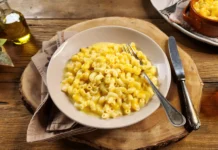
- After cooking, drain the noodles and transfer them back to the pan—there’s no need to wash or dry the pan. Pour in the cabbage sauce and stir thoroughly—the heat from the noodles will cook the egg and create a creamy texture. Place the pan over low heat and slowly add the reserved cooking water, stirring continuously with a spatula until a thick sauce forms. Serve immediately alongside the chestnut puff.
How can cabbage stalks be used?
Don’t discard the cabbage stalks; they can be utilized in various dishes. Slice them thinly and freeze to speed up the preparation of sautéed foods. When ready to use, simply transfer them from the freezer to a hot pan. Frozen stalks work well in rice, beans, lentils, soups, and pastries. You can also try making a cup of cabbage broth.
Purchase only what is necessary
Store
Set containing two linen napkins Heels, Acervo Paninha

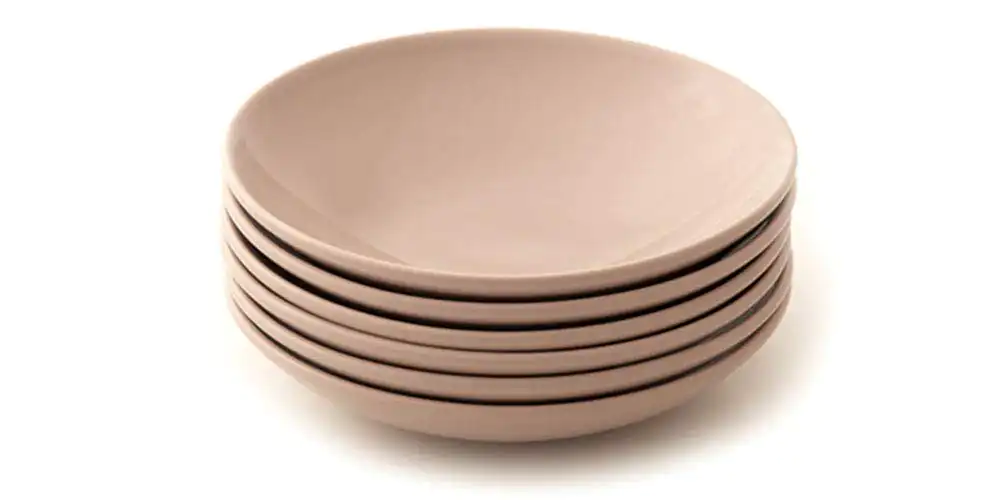
Game featuring 6 back plates, nutmeg
Faca de chef Tramontina de 10 polegadas

Tramontine wooden table

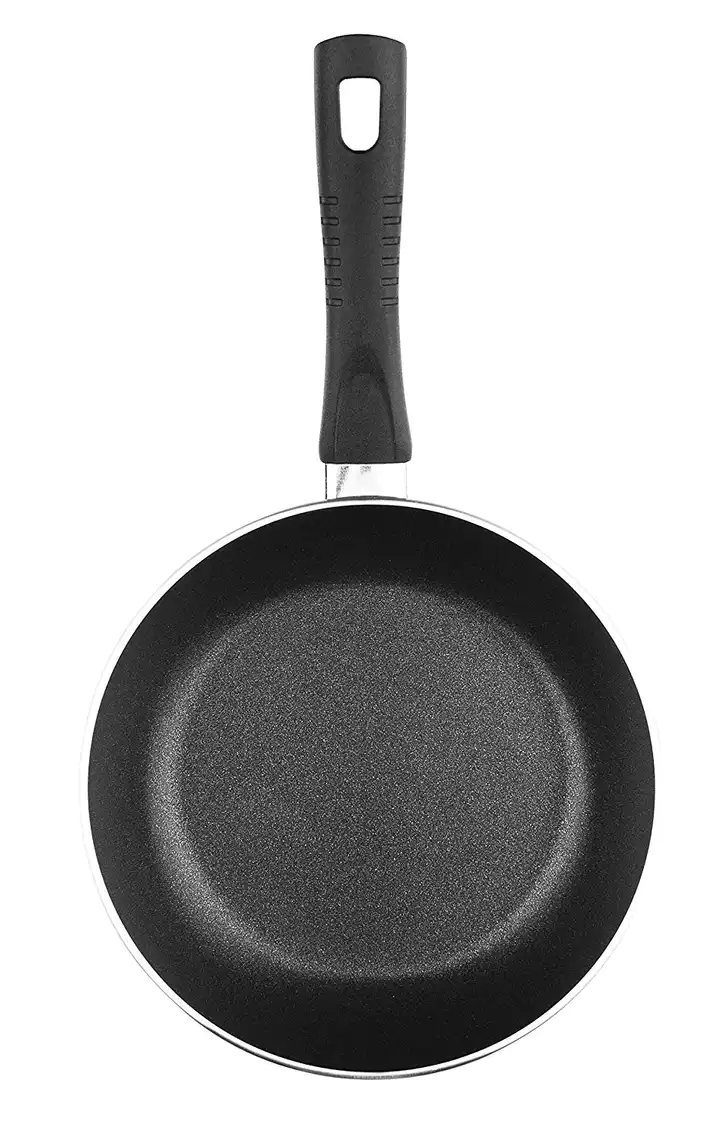
Siena Aluminum Frying Pan by Baillarini
Electrolux, 700 W, Experience